Grades
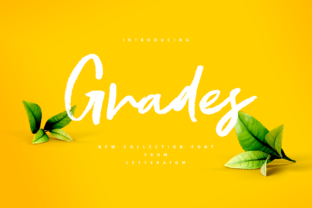
Imagine a font that doesn’t just sit on the page—it leans in, smiles, and invites attention with effortless charm. Grades is precisely that: a meticulously crafted handwritten typeface radiating authenticity, energy, and approachability—without sacrificing legibility or professional polish. Designed for creators who value both personality and precision, Grades bridges the gap between expressive typography and functional design, making it an invaluable asset across branding, digital marketing, and editorial projects.
Why Handwritten Typography Matters Today
In an era saturated with sleek, minimalist sans-serifs and overused display fonts, audiences increasingly respond to human-centered visual cues. Handwritten typefaces like Grades tap into subconscious associations with trust, creativity, and individuality—qualities essential for building memorable brand identity. Unlike generic script fonts that feel stiff or overly ornamental, Grades balances spontaneity with structural integrity, ensuring readability at multiple sizes and across diverse mediums—from tiny mobile UI elements to large-scale packaging or outdoor signage.
Where Grades Excels in Real-World Design
Its versatility makes Grades especially effective in contexts where warmth and distinction matter most:
- Branding & logo design: Used thoughtfully in logotypes or wordmarks, Grades adds character without compromising scalability—ideal for lifestyle brands, creative studios, boutique services, or wellness-focused businesses seeking a friendly yet premium tone.
- Social media graphics & digital marketing: Standout headlines, quote cards, and Instagram story overlays gain instant visual appeal when set in Grades—enhancing engagement while reinforcing brand voice.
- Editorial & web design: As a display font for section headers, pull quotes, or hero banners, Grades creates compelling visual hierarchy and guides readers intuitively through content—especially in blogs, newsletters, or portfolio sites emphasizing storytelling.
- Packaging & print design: On product labels, greeting cards, or limited-edition merchandise, Grades imparts artisanal credibility and emotional resonance, helping physical goods feel intentional and human-made.
Importantly, Grades integrates seamlessly into modern design workflows. It pairs elegantly with clean, neutral sans-serifs (like Inter, Poppins, or Montserrat) for balanced contrast, supports OpenType features for stylistic alternates and ligatures, and renders consistently across browsers and devices—making it as practical for UI design as it is for high-end print applications.
Using Grades Thoughtfully: Tips for Designers
Even exceptional typefaces require intentional application. To maximize impact and maintain professionalism:
- Respect hierarchy: Reserve Grades for primary emphasis—headlines, logos, or callouts—not body text. Let supporting fonts handle extended reading.
- Test contrast & color: Its natural texture shines against muted backgrounds but can lose clarity over busy imagery or low-contrast palettes. Always preview in context with your full color palette and imagery.
- Consider audience expectations: While Grades suits youthful, creative, or community-driven brands beautifully, it may feel incongruent with highly technical, corporate, or luxury sectors unless paired with refined supporting elements (e.g., restrained layout, monochrome tones, minimalist iconography).
- Evaluate licensing early: Confirm usage rights for web embedding, app integration, or commercial redistribution—especially if deploying across client projects or SaaS platforms.
Typography is never just about letters—it’s about tone, timing, and intention. When chosen with care, a font like Grades does more than decorate; it communicates values, shapes perception, and quietly strengthens user experience. Whether you’re refining a startup’s brand identity, elevating a nonprofit’s campaign visuals, or crafting a designer’s personal portfolio, investing in expressive, well-engineered creative assets pays dividends in clarity, connection, and credibility. In the end, great design isn’t measured solely by aesthetics—it’s defined by how meaningfully it resonates.