La Vi En Rose
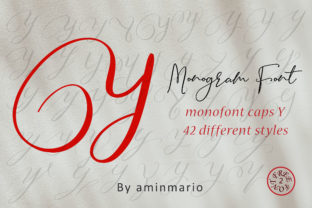
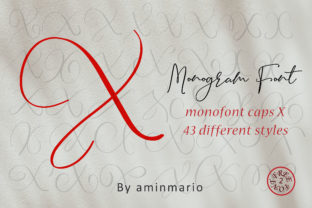
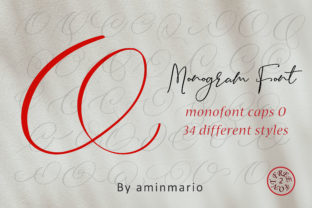
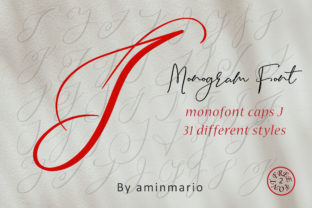
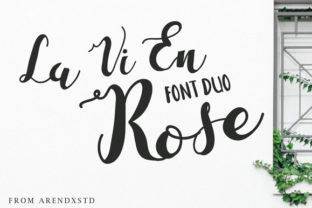
Imagine a font that doesn’t just say something—but whispers romance, evokes nostalgia, and carries the quiet confidence of intentional design. That’s La Vi En Rose: a stunningly romantic and delicate typeface with a charming twist, crafted to elevate visual storytelling without overwhelming it.
Why Typography Matters in Modern Visual Design
In today’s saturated digital landscape, typography is far more than decorative lettering—it’s a foundational pillar of visual hierarchy, brand recognition, and emotional resonance. A well-chosen typeface like La Vi En Rose can instantly communicate tone, refine aesthetic cohesion, and deepen audience connection—especially in contexts where warmth, elegance, or artisanal authenticity are central to the message.
Where La Vi En Rose Shines
La Vi En Rose excels where subtlety meets sophistication. Its graceful curves, gentle contrast, and soft terminals lend themselves beautifully to projects rooted in intimacy, craftsmanship, or refined femininity—without veering into cliché. Unlike overly ornate scripts that sacrifice legibility, this font maintains clarity at medium sizes and adapts gracefully across mediums when paired thoughtfully.
Consider these high-impact applications:
- Branding & logo design: Ideal for boutique fashion labels, artisanal beauty brands, or wedding studios seeking a distinctive yet approachable identity.
- Social media graphics: Adds tactile charm to Instagram carousels, Pinterest pins, or Reels overlays—particularly effective against soft-focus photography or muted color palettes.
- Editorial & packaging design: Elevates book covers, greeting cards, or luxury skincare boxes by reinforcing premium positioning through typographic nuance.
- Digital marketing & web design: Used sparingly—as headlines, hero text, or CTA accents—it introduces personality while preserving UX integrity and load performance.
It’s worth noting that La Vi En Rose works best as a *supporting* typeface—not a workhorse. Pair it with a clean, neutral sans-serif (like Inter, Poppins, or Montserrat) for body copy to ensure readability, contrast, and balanced visual rhythm. This pairing strategy strengthens brand identity by creating clear typographic roles: one voice for emotion, another for information.
Designing With Intention
Before integrating La Vi En Rose into your creative assets, ask yourself:
- Does it align with my audience’s expectations? (e.g., a fintech startup may find it too lyrical; a floral subscription service may find it perfectly attuned.)
- Is it scalable across formats? Test it at small sizes on mobile UIs and large-scale print—its delicate features hold up best above 16px in digital and 10pt in print.
- Does it complement—not compete with—existing brand elements? Consider how its softness interacts with your color palette, iconography, and imagery style.
Consistency remains key. Use La Vi En Rose purposefully: perhaps only for taglines, quotes, or product names—never as system-wide UI text. This restraint preserves its impact and avoids visual fatigue. In editorial design or web layouts, leverage whitespace generously around it to let its character breathe.
For designers building custom design systems or brand guidelines, document usage rules clearly: specify weights (if available), recommended pairings, minimum size thresholds, and prohibited contexts (e.g., data tables, navigation menus). Doing so ensures long-term cohesion across teams and touchpoints—from social ads to physical packaging.
Ultimately, choosing a typeface like La Vi En Rose isn’t about chasing trends—it’s about making a deliberate, human-centered choice that supports your message before a single word is read. When paired with thoughtful composition, intentional color application, and empathetic user experience design, it becomes part of a larger language—one that communicates care, craft, and clarity. In an era where attention is scarce and authenticity is currency, those quiet, considered details don’t just stand out—they resonate.