Wanita Font: A Playful Handwritten Typeface That Brings Modern Charm to Any Design
Typography is more than just letters on a page—it’s emotion, voice, and personality made visible. Among today’s most refreshing and versatile typefaces, Wanita stands out as a joyful, expressive handwritten font that bridges creativity and contemporary design. Whether you're crafting social media graphics, branding a small business, designing wedding invites, or building a personal portfolio, Wanita adds an authentic, approachable, and undeniably cool vibe—without sacrificing clarity or professionalism.
What Is Wanita—and Why Does It Feel So Fresh?
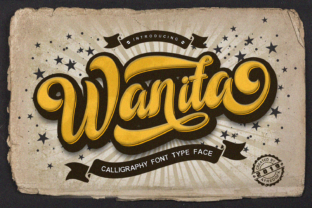
Wanita is a handwritten display font designed with natural rhythm, subtle bounce, and intentional imperfection. Unlike rigid, overly polished scripts, Wanita embraces the warmth of human touch: slight variations in stroke weight, gentle slant, and organic spacing mimic real pen-on-paper movement. Its name evokes playfulness and femininity—but don’t mistake it for “just for weddings” or “only for feminine brands.” Wanita’s versatility lies in its balanced energy: relaxed enough for lifestyle blogs, bold enough for apparel labels, and stylish enough for modern editorial layouts.
Developed with digital-first use in mind, Wanita includes full Latin character sets, numerals, punctuation, and multilingual support (including accented characters for French, Spanish, Portuguese, and more). It’s optimized for both screen and print—making it equally effective in Instagram stories, email headers, product packaging, and presentation slides.
The Purpose Behind the Playfulness
At its core, Wanita serves a clear design purpose: to humanize digital communication. In an era saturated with sleek sans-serifs and AI-generated uniformity, audiences increasingly crave authenticity. Wanita answers that need—not by being “rough” or “grungy,” but by feeling genuine. It signals friendliness, creativity, and confidence without shouting.
This isn’t decorative fluff. Research in visual psychology shows that handwritten fonts trigger stronger emotional engagement and perceived trustworthiness—especially when paired with relatable content. For example:
- A café using Wanita for its chalkboard-style menu feels inviting and locally rooted—not corporate or distant.
- An online course platform applying Wanita to section headers makes learning feel personal and unintimidating.
- A sustainable skincare brand choosing Wanita over a sterile serif conveys care, craftsmanship, and transparency.
Where Wanita Fits in Modern Life & Work
Wanita thrives where personality matters—and that’s nearly everywhere today.
Creative Professionals & Freelancers
Graphic designers, illustrators, and lettering artists use Wanita as a time-saving alternative to custom hand-lettering—without losing charm. Need a quick logo lockup? A dynamic quote graphic for Pinterest? A playful podcast cover? Wanita delivers consistent flair in seconds. Bonus: its OpenType features (like alternate glyphs and ligatures) allow subtle customization—so no two headlines need to look identical.
Small Businesses & Entrepreneurs
For solopreneurs launching Etsy shops, coaching services, or boutique studios, Wanita helps establish brand voice fast—even before a full identity system exists. It pairs beautifully with clean sans-serifs (like Inter or Poppins) for contrast: Wanita handles the “hello,” while the sans-serif handles the “here’s what we do.” This combo balances warmth and credibility—a winning formula for conversion-focused landing pages and email newsletters.
Educators & Content Creators
Teachers designing classroom posters, Canva-savvy educators building lesson slides, or YouTubers crafting thumbnails all benefit from Wanita’s high readability at medium-to-large sizes. Unlike some ornate scripts, Wanita avoids excessive swirls or cramped connections—so students, parents, or viewers grasp messages instantly. Its friendly tone also reduces cognitive load, helping learners focus on content—not decoding letters.
Common Misconceptions About Wanita (and Handwritten Fonts in General)
Before diving in, let’s clear up a few assumptions:
- “Wanita is only for feminine or ‘cute’ projects.” Not true. While its curves and flow lend themselves to soft aesthetics, context defines perception. Pair Wanita with bold colors, geometric shapes, or minimalist layouts—and it reads as confident, modern, even edgy. Think music festival posters, tech startup blog headers, or skateboard brand merch.
- “Handwritten fonts are hard to read.” Wanita was intentionally engineered for legibility. Its x-height is generous, letterforms are open, and spacing avoids overcrowding. It shines at 24pt and above—ideal for headings, quotes, and short bursts of emphasis—not body text.
- “Using Wanita means skipping professional typography principles.” Quite the opposite. Thoughtful font pairing, hierarchy, and whitespace remain essential. Wanita works best when it has room to breathe—and when supporting typefaces provide structure. Using it everywhere (e.g., buttons, captions, footers) dilutes its impact. Less is more.
How to Use Wanita Effectively (Without Overdoing It)
Like any strong personality, Wanita commands attention—so use it strategically:
- Reserve it for primary headlines, logos, or callouts. Let it introduce your message, not explain it.
- Pair it wisely. Contrast is key: try Wanita with neutral sans-serifs (e.g., Inter, Poppins) or sturdy serifs (e.g., Playfair Display).
- Adjust tracking slightly. A +20 to +40 tracking value often enhances its airy, breezy feel—especially in all-caps settings.
- Test across devices. Preview how Wanita renders on mobile screens. Some handwritten fonts pixelate at small sizes; Wanita holds up well, but avoid using it below 18px for UI elements.
Wanita in the Broader Typography Landscape
Wanita reflects a larger shift in design culture: away from cold perfection and toward intentional humanity. It joins a growing family of “friendly functional” fonts—including Quicksand, Comfortaa, and Caveat—but distinguishes itself through its rhythmic consistency and contemporary edge. Where Caveat leans artsy and Quicksand feels bubbly, Wanita strikes a balance: spirited yet refined, casual yet capable.
This evolution matters because typography shapes how people experience information. A well-chosen font like Wanita doesn’t distract—it connects. It tells users, “You’re welcome here. This is thoughtful. This is for you.” In a world of endless scrolling and shrinking attention spans, that quiet resonance is powerful.
Getting Started With Wanita—Ethically & Efficiently
Wanita is available through reputable font marketplaces and foundries. Always download from official sources to ensure licensing compliance—especially for commercial use. Most licenses include web, desktop, and app usage rights, with clear terms for client work and resale projects.
Pro tip: Many platforms offer free trials or demo versions. Test Wanita in your actual workflow—drop it into Figma, Adobe Express, or Canva—before committing. See how it behaves with your brand colors, imagery, and tone of voice. Authentic integration beats trend-chasing every time.
Final Thought: Typography as Empathy in Action
Choosing Wanita isn’t just about picking a pretty font. It’s a small but meaningful act of empathy—choosing warmth over sterility, approachability over austerity, and humanity over automation. In education, it lowers barriers to learning. In business, it builds rapport before a single word is read. In creativity, it gives ideas room to smile.
So whether you’re redesigning your portfolio, launching a passion project, or simply refreshing your Instagram grid—consider Wanita not as decoration, but as dialogue. A handwritten hello in a digital world. Friendly. Confident. Uniquely yours.