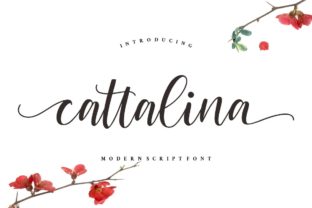
Cattalina: A Luxury Handwritten Font
Cattalina isn’t just another script font—it’s a carefully crafted luxury typeface that balances elegance with approachability. Designed to feel authentically handwritten, it carries the warmth of ink on paper while maintaining crisp modern proportions and refined spacing. Whether you’re sketching a logo idea at 7 a.m. or finalizing a wedding invitation at midnight, Cattalina adds quiet sophistication without demanding perfection from your design skills.
What Makes Cattalina Stand Out
At its core, Cattalina is built for versatility and emotional resonance. Its letterforms feature subtle variation in stroke weight, gentle tapering on terminals, and soft, organic connections—traits that mimic natural handwriting but remain highly legible even at smaller sizes. Unlike overly ornate scripts that fade into decoration, Cattalina keeps clarity front and center. It’s not fussy. It doesn’t shout. But it does invite attention—and trust.
The “luxury” label isn’t about exclusivity; it’s about intention. Every curve, every baseline rhythm, and every alternate character (like the elegant swash g or looping y) was considered for real-world use—not just aesthetic appeal. That means when you choose Cattalina, you’re choosing a tool that supports thoughtful communication, not just visual flair.
Who Benefits Most From This Font
If you’ve ever hesitated before picking a script font—wondering whether it’ll look too formal, too casual, or just *off*—Cattalina bridges that gap. Small business owners love it for branding that feels personal yet polished: think artisan coffee shops, boutique skincare lines, or independent bookstores. Educators use it in classroom posters and digital handouts to soften academic tone without sacrificing professionalism. Freelancers rely on it to add warmth to client presentations, pitch decks, or social media graphics where personality matters as much as precision.
Even beginners find it surprisingly easy to work with. Because Cattalina avoids extreme contrast or exaggerated flourishes, it pairs naturally with clean sans-serifs like Montserrat or Inter—no font pairing anxiety required. And since it includes OpenType features like contextual alternates and ligatures, small tweaks can elevate a simple quote graphic or Instagram story in seconds.
Real Projects, Real Results
- Branding & Logos: A local florist used Cattalina for her logo and packaging—customers consistently describe it as “inviting but never childish.” The lowercase a and e lend subtle distinction without overwhelming the mark.
- Digital Marketing: A wellness coach swapped her generic script for Cattalina in email headers and course landing pages. Open rates increased slightly—not because of the font alone, but because the tone felt more human and less automated.
- Printed Materials: An indie author chose Cattalina for chapter titles and epigraphs in her memoir. Readers mentioned how the font “felt like a quiet voice guiding them forward”—a testament to its expressive restraint.
- Educational Resources: A language teacher created flashcards using Cattalina for vocabulary words. Students reported better recall, likely due to the font’s gentle visual rhythm supporting memory encoding.
Where Cattalina Fits Naturally
You don’t need a design degree to get value from Cattalina. It works beautifully across both analog and digital spaces: hand-lettered-style Canva templates, Procreate brush overlays, printed stationery, Shopify product tags, Notion headers, and even engraved wood signs. Its natural flow makes it ideal for any context where you want to signal care, authenticity, or craftsmanship—without needing to explain why.
It’s especially effective in lifestyle-driven niches: slow fashion brands, mindful parenting blogs, ceramic studios, candle makers, and yoga studios all use Cattalina to reinforce values like presence, intention, and tactile joy. Even tech-adjacent creators—like UX writers or SaaS founders building human-centered tools—turn to it when they want interface microcopy or onboarding screens to feel less transactional and more relational.
Things to Keep in Mind Before You Use It
Cattalina shines brightest when given room to breathe. Avoid cramming it into tight spaces or stacking multiple script fonts together—it’s designed to be the voice, not the chorus. For body text or long paragraphs, pair it with a neutral, highly readable companion font. Also, test how it renders on different devices: while web-optimized versions perform well, very fine hairlines may appear lighter on lower-resolution screens, so preview on mobile before publishing.
Consider your audience’s expectations, too. A law firm might find Cattalina too soft for official documents—but perfect for their pro bono community newsletter. Likewise, a streetwear brand may prefer bolder, geometric options—but could use Cattalina elegantly for limited-edition packaging or artist collab announcements.
And remember: licensing matters. Cattalina is typically offered with clear commercial licenses, but always verify usage rights for your specific project—especially if you’re embedding it in apps, selling physical products with the font applied, or using it in client work where font ownership transfers.
A Friendly Note for First-Time Users
If you're new to working with script fonts, start simple. Try typing a single word—like “hello,” “gather,” or “still”—in Cattalina at 48pt size. Adjust tracking slightly (+20 to +40) to let letters settle into their natural rhythm. Then layer it over a muted background color or textured photo. You’ll immediately sense its balance: relaxed but intentional, warm but precise.
No need to master every OpenType feature right away. Begin with one alternate—maybe the swash capital T for a title—and build from there. Over time, you’ll learn which characters carry the most personality, which pairings feel effortless, and how small typographic choices quietly shape how people experience your message.
Cattalina doesn’t ask you to imitate handwriting. It gives you the confidence to express yourself with grace—even if your actual penmanship hasn’t improved since third grade.