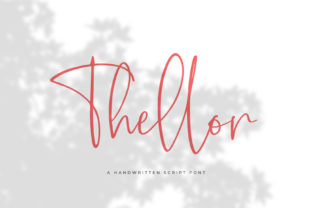
Thellor Font: The Elegant Handwritten Script That Elevates Design With Authenticity
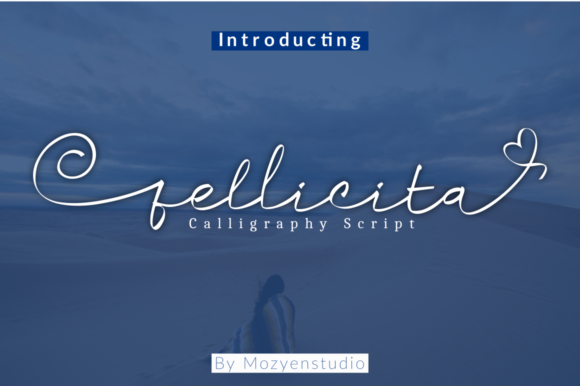
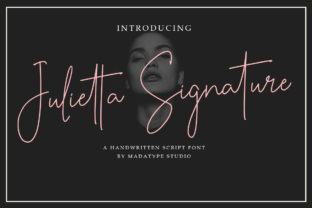
Imagine a font that feels like a personal note from a friend—fluid, warm, and unmistakably human. That’s the essence of Thellor: an elegant handwritten script font crafted with intention, rhythm, and quiet sophistication. Unlike many digital scripts that rely on uniform loops or exaggerated flourishes, Thellor stands out for its natural asymmetry, subtle variation in stroke weight, and thoughtful spacing—qualities that echo genuine pen-on-paper writing.
What Is Thellor—and Why Does It Feel So Distinctive?
Thellor is a premium handwritten script typeface designed by skilled typographers who studied real-world calligraphy, lettering, and even everyday handwriting habits. Its characters feature organic entry and exit strokes, gentle tapering, and nuanced connections between letters—no robotic repetition. Each lowercase “a,” “g,” or “s” carries slight variation, mimicking how a hand naturally moves across paper. This intentional imperfection isn’t a flaw—it’s the font’s greatest strength.
Unlike display-heavy scripts meant only for headlines, Thellor balances elegance with legibility. It includes full Latin character sets, multilingual support (including accented characters for French, Spanish, and German), OpenType features like contextual alternates and ligatures, and carefully tuned kerning pairs. These technical details ensure it performs well not just in logos or invitations—but also in longer body text where tone matters.
The Purpose Behind the Pen: Why Thellor Was Created
Thellor emerged from a growing need in modern design: authenticity without sacrificing polish. As brands, educators, and creators seek to stand out in oversaturated digital spaces, audiences increasingly respond to visual cues that signal care, personality, and humanity. A sterile sans-serif may communicate clarity—but it rarely conveys warmth. A chaotic brush script may feel energetic but often sacrifices readability.
Thellor bridges that gap. It was built to serve real-world use cases:
- Branding: Small businesses—from artisan bakeries to boutique wellness studios—use Thellor in logos and packaging to evoke craftsmanship and trust.
- Educational materials: Teachers incorporate Thellor in printable worksheets and classroom posters to make learning feel inviting and less intimidating—especially for early readers or neurodiverse learners.
- Digital content: Bloggers, newsletter writers, and social media designers apply Thellor to quote graphics, email headers, and story highlights to add emotional resonance without clutter.
- Personal projects: Wedding invitations, baby announcements, and handmade greeting cards gain timeless charm when set in Thellor’s graceful forms.
How Thellor Fits Into Today’s Creative Landscape
In an era dominated by AI-generated visuals and algorithm-driven aesthetics, Thellor offers something increasingly rare: intentional humanity. It doesn’t try to mimic perfection—it celebrates the beauty of controlled spontaneity. This makes it especially valuable across disciplines where connection matters more than conformity.
Business & Branding: Beyond Aesthetic Appeal
Consider a local coffee roaster launching a new seasonal blend. Using Thellor on their label doesn’t just look pretty—it subtly tells customers: “This was made by people who care about process, origin, and detail.” Studies in consumer psychology show that handwritten elements increase perceived sincerity and approachability. When paired with minimalist layout and earthy tones, Thellor helps small brands compete visually—not by shouting louder, but by speaking more meaningfully.
Importantly, Thellor avoids common pitfalls of script fonts in business contexts. It’s not overly decorative, so it scales well on mobile screens. It’s not monoline, so it retains visual hierarchy when used alongside sans-serif body text. And because it supports OpenType features, designers can enable automatic ligatures (“fi,” “fl,” “ct”) to prevent awkward collisions—ensuring professionalism at every size.
Education & Communication: Clarity With Character
In classrooms and online learning platforms, typography plays a quiet but powerful role in comprehension and engagement. Research from the Journal of Educational Psychology indicates that students retain information better when presented in fonts associated with familiarity and warmth—particularly in narrative or reflective contexts. Thellor’s soft curves and open counters (the enclosed spaces inside letters like “e” or “a”) support this by reducing cognitive load while maintaining visual interest.
For example, a middle school history teacher might use Thellor for primary source excerpts displayed on interactive whiteboards—giving historical documents a tactile, humanized presence. Or a special education specialist could integrate Thellor into visual schedules, where its clear letterforms and consistent baseline help learners with dyslexia distinguish shapes more easily than with highly stylized alternatives.
Common Misconceptions About Handwritten Fonts Like Thellor
Despite its versatility, Thellor is sometimes misunderstood. Let’s clarify three frequent assumptions:
- “It’s only for decorative use.” False. While Thellor shines in headlines and logos, its robust character set and optical sizing options allow for thoughtful use in short paragraphs, pull quotes, and UI microcopy—especially where brand voice demands intimacy.
- “All handwritten fonts are the same.” Not true. Many free script fonts rely on basic glyph substitution or lack proper spacing, leading to uneven texture and poor readability. Thellor was engineered with typographic rigor—each glyph was refined through dozens of iterations and tested across devices and platforms.
- “It won’t work digitally.” Outdated thinking. With variable font technology on the rise and improved browser rendering, Thellor renders beautifully on websites (via
@font-faceor services like Adobe Fonts) and in apps—provided it’s implemented with appropriate fallbacks and responsive sizing.
Getting Started With Thellor: Practical Tips for Designers and Non-Designers Alike
You don’t need a design degree to harness Thellor’s power. Here’s how to use it effectively:
- Pair it wisely: Combine Thellor with clean, neutral sans-serifs (like Inter, Lato, or Montserrat) for contrast and balance. Avoid competing scripts or overly ornate serifs.
- Respect hierarchy: Use Thellor for headings, quotes, or key phrases—not long blocks of text. Reserve body copy for highly legible fonts.
- Leverage OpenType features: In design software like Adobe Illustrator or Figma, enable contextual alternates to let Thellor automatically swap glyphs for more natural-looking connections.
- Test across contexts: View your design on both desktop and mobile. Adjust tracking (letter spacing) slightly if needed—tighten for headlines, loosen for smaller sizes.
- Think beyond pixels: Thellor works beautifully in physical applications too—laser-cut signage, embroidered patches, engraved wood, and foil-stamped stationery all benefit from its organic flow.
Whether you're launching a creative portfolio, designing a mindfulness app interface, or crafting a heartfelt thank-you card, Thellor invites you to slow down—to prioritize feeling over flash, authenticity over automation. It reminds us that in a world of infinite digital options, the most compelling choices are often those rooted in human gesture, thoughtful craft, and quiet confidence.
So the next time you’re choosing a font—not just for how it looks, but for what it says before a single word is read—consider Thellor. Not as decoration, but as dialogue. Not as style, but as signature.