Born to Be Loved: The Handwritten Font That Feels Like a Hug
If you've ever scrolled through design resources and paused—heart skipping a little—at a font that looks like it was written by someone who truly cares, you’ve probably already met Born to Be Loved. It’s not just another script font. It’s warm, approachable, and full of quiet confidence—like your favorite handwritten note tucked into a lunchbox or slipped under a coffee cup at a quiet café.
What Makes Born to Be Loved More Than Just “Cute”?
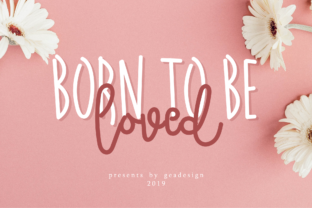
Born to Be Loved is a stunning handwritten font designed with soft curves, gentle inconsistencies, and subtle bounce—details that mimic natural pen-on-paper movement. Unlike overly ornate scripts that can feel fussy or hard to read at small sizes, this one balances charm with clarity. Its lowercase letters have friendly proportions, its capitals carry personality without shouting, and the spacing feels intuitive—not cramped, not sprawling, just *right*.
It’s not built for corporate reports or legal disclaimers. And that’s the point. Born to Be Loved thrives where authenticity matters most: in moments meant to be felt, not just seen.
Wedding Stationery That Tells Your Story
Couples choosing Born to Be Loved for their invitations, menus, or signage often say the same thing: “It looked like *us*.” Not polished-perfect—but tender, personal, unhurried. A hand-lettered “Mr. & Mrs.” on a wooden welcome sign? Perfect. Menu cards resting beside vintage china? Absolutely. Even digital save-the-dates gain warmth when paired with this font—especially when layered over soft linen textures or watercolor backgrounds.
Small-Business Branding With Heart
Think of a ceramicist selling mugs on Etsy, a herbalist crafting small-batch teas, or a local florist arranging seasonal bouquets. These makers don’t need sterile sans-serifs—they need typography that reflects care, craft, and connection. Using Born to Be Loved on product labels, website headers, or Instagram story highlights helps customers *feel* the intention behind each item before they even click “add to cart.”
Personal Crafts That Turn Into Keepsakes
Whether you’re designing a baby’s first birthday banner, stitching a custom embroidery hoop with a sweet phrase, or printing a gratitude journal cover for a friend’s birthday—Born to Be Loved adds emotional resonance. Its rhythm invites pause. Its flow feels handmade, even when printed. One customer told us she used it to label jars of homemade jam for her daughter’s school fair—and parents kept asking, “Who made these? They look so special.”
Educational & Therapeutic Tools for Grown-Ups (Yes, Really)
Therapists, life coaches, and mindfulness educators sometimes use Born to Be Loved in printable worksheets, affirmation cards, or guided journal prompts. Why? Because its gentle shape reduces visual stress—it doesn’t compete with the message. When someone is working through big feelings or learning self-compassion, the font itself becomes part of the support system: kind, nonjudgmental, and quietly affirming.
Who Gets the Most Out of This Font—and Why
- Crafters and DIYers: If you regularly make greeting cards, wall art, or personalized gifts, Born to Be Loved saves time while elevating results. Its OpenType features (like alternate characters and ligatures) let you add variation without switching fonts—so your “thank you” card doesn’t look identical to your “happy birthday” card.
- Solo Creators & Side-Hustlers: You don’t need a brand strategist to know when something *feels* aligned. This font helps solo entrepreneurs communicate warmth and reliability—even before they’ve said a word.
- Teachers & Caregivers: From classroom posters celebrating student effort to laminated routines for kids with sensory needs, Born to Be Loved softens directives and emphasizes encouragement. One kindergarten teacher shared how her students recognized the font as “the happy words font”—a small but meaningful anchor in their day.
Things to Keep in Mind Before You Use It
Like any tool, Born to Be Loved works best when matched to purpose—not just preference.
Legibility at small sizes is its gentlest limitation. At under 14pt in body text—or on low-resolution screens—it can blur slightly. Reserve it for headlines, quotes, short phrases, or large-format prints where its charm has room to breathe.
Pairing matters. It sings alongside clean, neutral typefaces like Montserrat, Lora, or even basic system fonts like Georgia. Avoid stacking it with other decorative scripts—that’s where things start to feel cluttered instead of cozy.
Licensing is practical, not complicated. Most versions include both personal and commercial use rights, which means you can use it on client projects, print-on-demand products, or even sell digital planners—no extra fees or permission hoops. Just double-check the license details when you download (reputable sellers always list them clearly).
When “Adorable” Becomes Authentic
There’s a reason Born to Be Loved stands out in a sea of handwritten fonts: it avoids cliché. It doesn’t lean too hard into “kawaii,” nor does it try to mimic calligraphy masters. Instead, it lands somewhere honest—like a voice you’d recognize across a crowded room.
That authenticity translates directly into trust. A bakery using it on their chalkboard menu isn’t just selling croissants—they’re inviting you in. A therapist using it on a session worksheet isn’t just sharing tools—they’re offering kindness first.
You’ll notice it most when people linger. When a guest pauses to trace the curve of a letter with their finger. When a client says, “This feels like *me*.” That’s not accidental. That’s what happens when typography stops being decoration—and starts being connection.
A Few Quiet Observations From Real Users
- “I switched from a generic script to Born to Be Loved on my wedding website—and got three messages saying, ‘Your site made me cry. In a good way.’”
- “Used it for my small-batch candle labels. Customers now tag me in unboxing videos saying, ‘The font made me smile before I even smelled the scent.’”
- “Printed a set of grief journal prompts with Born to Be Loved. A counselor friend asked for the file—she’s now using it with clients who find bold fonts overwhelming.”
None of those outcomes came from technical specs. They came from how the font lands—softly, surely, like something long-awaited.
So—Is It Right for Your Next Project?
Ask yourself: Does this need to feel human first? Does it live in a space where warmth matters more than width? Is it meant to be held, read slowly, or remembered?
If yes—Born to Be Loved isn’t just appropriate. It’s quietly essential.