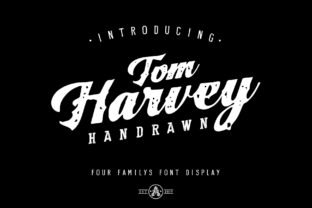
Tom Harvey: Where Handwritten Warmth Meets Bold Design Confidence
Typography is no longer just about legibility—it’s about voice, intention, and emotional resonance. In a digital landscape saturated with clean sans-serifs and algorithmically optimized UI fonts, designers, marketers, educators, and small business owners are increasingly seeking typefaces that feel human, intentional, and memorable. Enter Tom Harvey: a striking and radiant handwritten font with a bold twist—crafted not to mimic casual scribbles, but to embody expressive confidence grounded in authenticity.
What Makes Tom Harvey Distinct—Beyond “Handwritten”
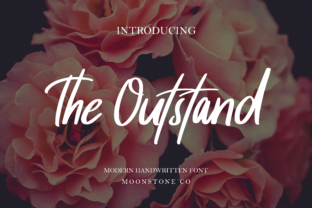
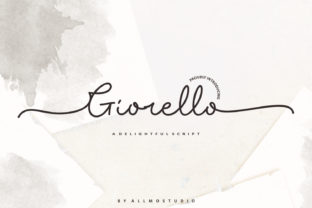
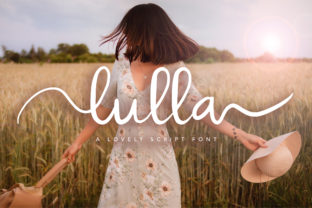
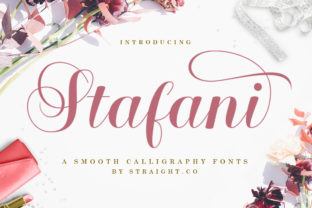
Not all handwritten fonts are created equal. Many lean into informality—soft edges, light weight, uneven spacing—that works well for whimsical invitations or personal journals but falls short in branding, editorial headers, or product packaging where presence matters. Tom Harvey bridges that gap. Its letterforms retain the organic rhythm and subtle variation of hand-drawn script—notice the confident entry strokes, the deliberate swell of downstrokes, the gentle tapering of exits—but they’re reinforced with structural consistency and visual weight. The result? A font that feels personal without sacrificing impact, artistic without sacrificing clarity.
Unlike variable fonts built for technical flexibility, Tom Harvey was designed for expressive purpose. It doesn’t offer dozens of weights or optical sizes—but it delivers one highly tuned, self-assured style that holds up across contexts: from a boutique coffee shop’s chalkboard menu to an educator’s workshop slide deck, from a freelance illustrator’s portfolio headline to a sustainable brand’s limited-edition label.
Why Hand-Drawn Typography Is Gaining Ground—Strategically
This isn’t nostalgia driving demand—it’s response to shifting expectations. Consumers, especially among 25–45 year-olds, increasingly associate polished uniformity with automation, distance, or corporate detachment. At the same time, they reward brands and creators who signal care, craft, and individuality—even in small details like typography. A 2023 design sentiment study by Creative Market found that 68% of respondents associated custom or expressive script fonts with “trustworthiness rooted in authenticity,” not just “playfulness.”
That aligns with broader workflow shifts: more professionals now handle their own visual communication—from Canva-powered social posts to Notion-based course materials to print-on-demand merch. They need tools that deliver personality *without* requiring illustration skills or hours of customization. Tom Harvey fits that need precisely: it’s ready-to-use, yet never generic. It adds warmth to a landing page without softening its authority; it brings energy to a call-to-action button without undermining professionalism.
Real-World Applications That Go Beyond Aesthetics
- Small business branding: A local ceramics studio used Tom Harvey for its logo lockup and Instagram story highlights—replacing a generic brush script that felt interchangeable with dozens of competitors. Within two months, engagement on visually led posts increased 22%, with commenters repeatedly noting the “inviting but confident” tone.
- Educational content: An online yoga instructor redesigned her email newsletter headers using Tom Harvey instead of a standard sans-serif. Open rates held steady, but click-throughs on workshop sign-ups rose 17%—readers cited the “calm intentionality” of the typography as subconsciously reinforcing her teaching ethos.
- Print collateral for hybrid workspaces: A co-working space in Portland chose Tom Harvey for its member welcome guide and wall-mounted wayfinding signs. Staff reported members commenting on how the space “felt thoughtfully human”—a perception reinforced by tactile paper stock *and* the font’s balanced contrast between gesture and structure.
How Tom Harvey Fits Into Evolving Creative Practices
Design tools have democratized typography—but they’ve also intensified the need for discernment. With thousands of free scripts available, many users default to what’s easiest, not what’s most effective. Tom Harvey stands out because it avoids common pitfalls: excessive flourishes that hinder readability at smaller sizes, inconsistent x-heights that disrupt line rhythm, or overly narrow spacing that creates visual clutter in paragraphs.
Its bold twist isn’t just visual—it’s functional. The generous counters (the enclosed spaces inside letters like ‘a’, ‘e’, or ‘o’) and open apertures ensure legibility even in low-resolution environments or fast-scrolling feeds. And because it’s carefully kerned—not auto-kerned—it performs reliably whether set in all caps for a banner or sentence case for a testimonial quote.
For freelancers juggling multiple clients, that reliability saves time. There’s no need to manually adjust tracking for every new layout. For educators building accessible learning materials, Tom Harvey’s clear letter distinction supports readability without sacrificing character—especially helpful when paired with a neutral, highly legible body font like Inter or Source Sans.
Practical Considerations Before You Use Tom Harvey
Like any expressive typeface, Tom Harvey thrives with thoughtful application—not blanket deployment. Here’s what seasoned users consistently observe:
- Reserve it for moments of emphasis: Use it for headlines, quotes, logos, or short CTAs—not long-form text. Its strength lies in contrast, not endurance.
- Pair intentionally: It pairs best with unadorned, humanist sans-serifs (e.g., Manrope, Work Sans) or sturdy serifs (PT Serif, IBM Plex Serif). Avoid competing scripts or overly geometric fonts that clash tonally.
- Test in context—not just mockups: View it on actual devices and backgrounds. Its radiance shines on light substrates but may require slight contrast adjustment on dark mode interfaces or textured prints.
- Consider licensing scope: Tom Harvey is available under standard desktop, web, and app licenses. If you’re embedding it in client-facing SaaS dashboards or white-labeled tools, verify extended use terms upfront.
Looking Ahead: Craft in the Age of AI-Assisted Design
As generative tools accelerate layout production, the value of intentional, human-crafted assets like Tom Harvey grows—not diminishes. AI can suggest color palettes or generate layouts in seconds, but it cannot replicate the nuanced decision-making behind stroke weight, rhythm, and emotional cadence embedded in a font like this. Designers who understand *why* Tom Harvey works—and when it doesn’t—are better equipped to guide AI tools, not follow them.
That’s the quiet shift happening now: professionals aren’t just selecting fonts—they’re curating emotional infrastructure. Every type choice signals something about values, audience respect, and attention to detail. Tom Harvey doesn’t shout. It leans in—clearly, warmly, and with unmistakable presence.
So whether you’re refining a brand identity, designing a workshop handout, launching a passion project, or simply choosing a font that reflects your voice more honestly—consider what happens when handwriting isn’t just decorative, but declarative. With Tom Harvey, the gesture is the message. And the message is this: You’re here. You mean something. Let’s say it well.