Ellen Scarlett: Elegant Simplicity for Modern Design Projects
When you're choosing a font for a brand identity, wedding invitation, or boutique website, the right typeface does more than convey text—it sets tone, builds trust, and quietly communicates values. Ellen Scarlett is a script font crafted with natural hand movement, designed to bring elegance, minimalism, and quiet confidence to your visual work. Unlike overly ornate calligraphy or rigid digital scripts, Ellen Scarlett flows like confident handwriting—refined but never stiff, expressive but always legible.
Many designers and small business owners face a common challenge: finding a script font that feels personal *and* professional—something that avoids cliché while still evoking warmth and sophistication. Too often, the options fall into one of two traps—either they’re so decorative they distract from the message, or so simplified they lose character entirely. That’s where Ellen Scarlett stands apart. Its organic stroke variation, subtle entry/exit flourishes, and balanced spacing make it ideal for contexts where authenticity matters as much as aesthetics.
Why Designers Choose Ellen Scarlett for Real-World Projects
Design isn’t just about what looks good—it’s about what works. Ellen Scarlett supports real goals: building brand recognition, guiding user attention, and reinforcing emotional resonance. For example, a sustainable skincare brand might use Ellen Scarlett in its logo and packaging to signal care, craftsmanship, and human-centered values—without saying a word. Similarly, a freelance photographer may apply it to a signature watermark or portfolio headline to add distinction without competing with their imagery.
What makes this possible is how Ellen Scarlett was built—not as a digitized scan or algorithmic simulation, but through intentional, human-driven motion. Every curve and taper reflects natural wrist movement, giving it rhythm and breath. That authenticity translates directly into perceived credibility: studies show audiences consistently rate hand-influenced typography as more trustworthy and approachable than purely geometric alternatives.
Practical Applications You Can Implement Today
You don’t need advanced design skills to benefit from Ellen Scarlett. Here are proven, low-friction ways to integrate it meaningfully:
- Logo refinement: Use Ellen Scarlett for a single-word brand name (e.g., “Luna,” “Haven,” “Stella”) paired with a clean sans-serif for supporting text. This contrast creates hierarchy while keeping focus on personality.
- Digital presence: Apply it sparingly but purposefully—on hero section headlines, email subject lines, or CTA buttons—to elevate key moments without sacrificing readability on mobile.
- Printed collateral: It shines in letterpress business cards, foil-stamped gift tags, or linen wedding stationery. Its line variation responds beautifully to tactile printing methods.
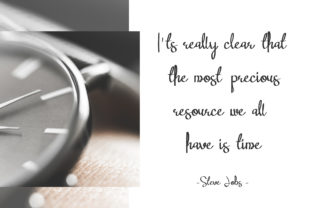
- Social media storytelling: Overlay short quotes or value statements in Ellen Scarlett on muted background photos—ideal for Instagram carousels or Pinterest pins aimed at thoughtful, design-aware audiences.
Pro tip: Always test at actual size. A font that reads beautifully at 48pt may lose clarity at 16pt. Ellen Scarlett performs best at 24pt and above for display use—and when used at smaller sizes, pair it only with highly legible companions like Inter, Lora, or Montserrat.
Tailoring Ellen Scarlett to Your Role and Goals
How you use Ellen Scarlett depends on who you are—and what you’re trying to achieve.
If you’re a solopreneur or creative service provider, Ellen Scarlett helps position you as both skilled and human. It subtly signals that your work is thoughtful, not templated. Use it in your email signature, proposal headers, or even your Notion workspace branding—small touches that reinforce consistency and care across touchpoints.
If you’re a marketing manager at a midsize company, consider Ellen Scarlett for campaign-specific assets rather than core brand guidelines—especially for limited-edition launches, seasonal content, or community-facing initiatives. Its warmth encourages engagement without diluting corporate identity.
If you’re a graphic designer working with clients, present Ellen Scarlett as part of a strategic typographic system—not just a “pretty option.” Show how its rhythm complements photography style, color palette, and voice. Clients respond well when fonts are framed as tools for alignment, not decoration.
What to Keep in Mind Before You Begin
Like any expressive font, Ellen Scarlett thrives with intention—not excess. Avoid stacking multiple script fonts or overusing swashes, which can dilute its impact. Its strength lies in restraint: one elegant word, one carefully placed phrase, one moment of visual pause.
Licensing is another practical consideration. Ellen Scarlett is available through reputable foundries with clear desktop, web, and app usage terms. Always verify the license covers your intended use—especially if embedding in client websites or SaaS platforms. Most standard licenses include web font hosting via CSS @font-face, making integration straightforward for developers and no-code builders alike.
Also remember: accessibility matters. While Ellen Scarlett excels in visual communication, it shouldn’t replace accessible UI fonts. Use it for headings and accents—not body copy, form labels, or navigation menus. Pairing it thoughtfully with WCAG-compliant fonts ensures your design remains inclusive without compromising style.
Final Thought: Less Is Truly More With Ellen Scarlett
In a world saturated with visual noise, simplicity isn’t just stylish—it’s strategic. Ellen Scarlett doesn’t shout. It invites. It doesn’t overwhelm. It clarifies. By honoring the nuance of hand movement, it brings warmth to digital spaces and polish to physical ones—bridging the gap between artisanal craft and modern usability.
Whether you’re refreshing a decade-old brand, launching a passion project, or refining your design process, Ellen Scarlett offers a rare combination: timeless appeal with immediate applicability. It asks little of you—just attention to context, respect for hierarchy, and willingness to let space and subtlety do some of the work. And in doing so, it helps your message land—not just seen, but felt.
Start small. Try it on a single headline. Print it. Hold it beside other scripts you love. Notice how it moves, how it rests, how it breathes. That’s when you’ll recognize why designers return to Ellen Scarlett again and again—not for novelty, but for quiet, lasting resonance.