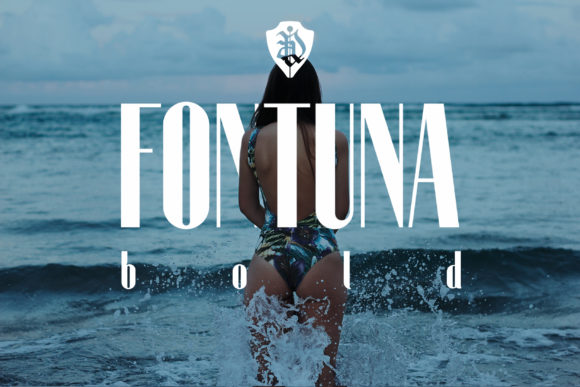
Fontuna Bold
Fontuna Bold is an elegant bold sans-serif typeface designed with deliberate attention to fashion-inspired typography. It merges clean geometric structure with subtle vintage detailing—such as softened terminals, balanced stroke contrast, and refined letter proportions—to produce a distinctive visual presence. Unlike many ultra-bold display fonts that prioritize impact over readability, Fontuna Bold maintains legibility at medium sizes while delivering strong typographic personality.
Why Consider Fontuna Bold?
Designers and brands often seek typefaces that communicate both modernity and timelessness—especially in contexts where visual identity must resonate across digital and print environments. Fontuna Bold appeals to those evaluating fonts for high-impact headings, editorial layouts, luxury branding, or fashion-related interfaces. Its aesthetic bridges contemporary minimalism and mid-century elegance, making it relevant for projects where tone matters as much as function.
Interest in Fontuna Bold typically arises when users need a bold sans-serif that avoids the sterility of generic system fonts (like Helvetica Bold or Arial Black) without veering into overly decorative or niche territory. It’s not intended as a text face for long-form reading, but rather as a strategic typographic tool for moments requiring emphasis, distinction, or stylistic cohesion.
Key Benefits
- Distinctive yet versatile character: Fontuna Bold stands out in crowded visual landscapes without sacrificing clarity—ideal for logos, hero sections, or cover typography.
- Cross-medium consistency: Its design translates well across screen resolutions and print output, supporting responsive design workflows.
- Strong stylistic alignment: Works naturally with serif companions (e.g., Garamond, Playfair Display) or restrained sans-serifs (e.g., Inter, Lato), enabling thoughtful typographic hierarchies.
- Controlled expressiveness: Offers more personality than neutral bolds but less idiosyncrasy than display-heavy alternatives—reducing risk of visual fatigue or misalignment with brand voice.
Tradeoffs and Practical Considerations
Fontuna Bold is not optimized for body text. Its generous x-height and pronounced weight make it less suitable for paragraphs, captions, or UI elements requiring dense information delivery. Users should expect to pair it intentionally—not rely on it as a standalone solution.
Licensing is another practical factor. Fontuna Bold is not open-source or system-installed; it requires acquisition through authorized vendors. This introduces cost and workflow considerations—especially for teams managing multiple licenses or integrating fonts into CMS or development environments. Always verify license scope (e.g., web, desktop, app usage) before committing.
Also note its limited language support. While it covers Latin-based scripts comprehensively—including extended diacritics for Western and Central European languages—it does not include Cyrillic, Greek, or Asian character sets. Projects targeting multilingual audiences may require supplemental typefaces or fallback strategies.
When Fontuna Bold Is a Strong Fit
Fontuna Bold excels in scenarios where typographic intentionality supports strategic goals:
- Fashion, beauty, or lifestyle branding: Its origins in fashion typography lend authenticity to campaigns, lookbooks, or e-commerce headers seeking sophistication without overt ornamentation.
- Editorial design (magazines, newsletters, blogs): Effective for section titles, pull quotes, or mastheads where visual rhythm and tonal nuance matter.
- Exhibition graphics or premium packaging: Performs well in large-scale physical applications due to its structural confidence and even ink coverage.
- Web banners and social media assets: Renders clearly at varying sizes and backgrounds, especially when paired with ample whitespace and restrained color palettes.
When Alternatives May Be More Appropriate
Fontuna Bold is less ideal when functional constraints outweigh stylistic goals. Consider alternatives if:
- Performance is critical: Web projects with strict loading budgets may benefit from system fonts or highly optimized variable fonts (e.g., Inter Variable, Roboto Flex) that reduce HTTP requests and improve CLS scores.
- Accessibility compliance is non-negotiable: While Fontuna Bold meets basic readability thresholds, its tight default letter-spacing and low stroke variation may require manual adjustments (e.g., increased tracking, larger line height) to satisfy WCAG 2.1 AA contrast and spacing guidelines.
- Dynamic or data-driven content dominates: Applications with frequent headline generation (e.g., news aggregators, dashboards) often favor more neutral, widely supported fonts to ensure rendering stability and localization flexibility.
- Budget or licensing complexity is prohibitive: Open-source options like Manrope Bold, Commissioner Bold, or Space Grotesk offer comparable boldness and modernity with fewer administrative overheads.
Making an Informed Decision
Evaluating Fontuna Bold should begin with concrete use cases—not abstract preferences. Ask: What specific elements will it style? At what sizes and contexts? Who is the audience—and how might they interact with the text? Testing early is essential: render real content (not lorem ipsum) across target devices and background colors. Pay attention to how it behaves alongside your chosen body font, color scheme, and spacing system.
Compare it against two or three alternatives using identical conditions—same hierarchy level, same layout width, same export settings. Note differences in perceived weight, rhythm, and emotional resonance—not just appearance. If Fontuna Bold consistently strengthens communication intent without introducing technical or accessibility friction, it’s likely a sound choice.
Remember that typography serves content and users—not the other way around. Fontuna Bold brings value when its strengths align precisely with project requirements: confident presence, stylistic cohesion, and controlled expressiveness. When those needs are secondary to scalability, localization, or performance, other fonts may fulfill the role more effectively.
Ultimately, the best font is the one that works reliably across your constraints while supporting your goals—without demanding disproportionate effort to manage or justify. Fontuna Bold earns its place when that balance tilts toward intentional design, not convenience.